Supplements are made to be bought again. A customer who finishes a bottle and reorders is the whole business model. Yet many brands find that most first-time buyers never place a second order.
The gap between first and second order is where growth is won or lost. This article covers how to measure it and how to close it.
How to calculate repeat purchase rate
Repeat purchase rate is the share of your customers who have ordered more than once:
Repeat purchase rate = (customers with two or more orders divided by total customers) times 100
If 4,000 of your 10,000 customers have ordered at least twice, your repeat purchase rate is 40%.
Shopify and many other platforms show a similar number called returning customer rate. It usually measures the share of customers in a period who had ordered before. Both are useful. Just be consistent about which one you track.
What is a good repeat purchase rate?
Store owners ask this a lot, and the honest answer is that it depends on your product. A brand selling a 30 day supply should expect more repeat orders than one selling a 6 month supply or a one-time kit. The best benchmark is your own number over time, broken out by product and by the month customers first bought.
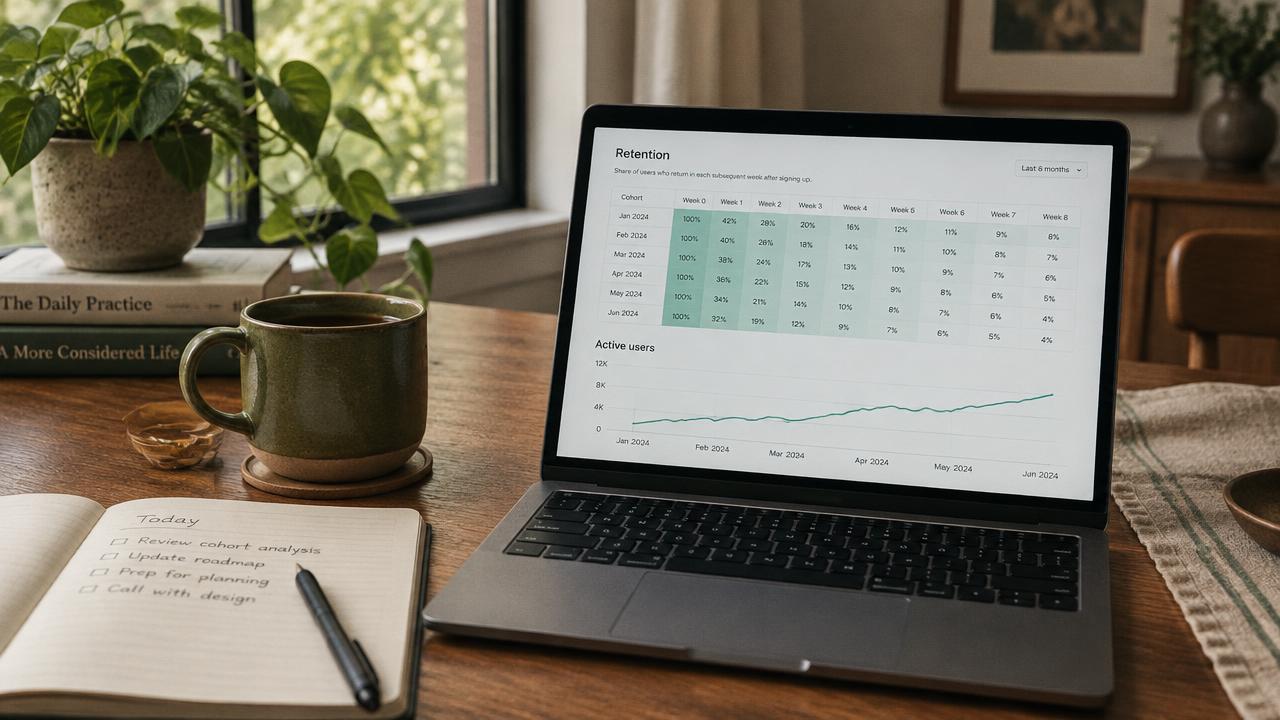
One helpful check is time to second order. If most repeat customers come back within 40 days but your reorder reminder goes out at day 60, you are missing them.
Why first-time buyers don't come back
- They didn't finish the product, so they never needed more
- They finished it but didn't notice a difference
- They meant to reorder and forgot
- They found the same ingredients cheaper elsewhere
- Nothing about the brand stood out after the first order
Seven ways to get more repeat customers
1. Make the first order easy to finish
A customer who takes the product every day is far more likely to reorder. Simple usage tips, a daily routine suggestion and a reminder in the first week help customers build the habit.
2. Set expectations for results
Tell customers what to look for and when. If benefits usually take a few weeks, say so up front so they don't give up early.
3. Time your reorder messages to real usage
Look at how long it actually takes customers to place a second order and send reminders just before that point.
4. Make the second order easier than the first
One click reorder links, saved payment details and a subscribe option on the reorder email all remove friction.
5. Recommend the right next product
A customer who bought a sleep product might be ready for a stress or recovery product. Recommendations tied to their goal feel helpful, not salesy.
6. Build a relationship, not just a transaction
Customers come back to brands that feel personal. Founder notes, educational content and real support toward the customer's goal all build that connection. Some established brands go further and offer premium one-on-one coaching under their own brand, run by a specialist partner. Customers get a personal plan and accountability, and the brand earns new revenue from customers it already has. You can read how it works on our page for brands.
7. Reward the second order specifically
Instead of a generic discount, make a small, clear offer for the second purchase. It is the hardest order to win, and every order after it gets easier.
Repeat customers and lifetime value
Every repeat order raises customer lifetime value without adding acquisition cost. That is why improving repeat purchase rate often does more for profit than lowering ad costs. For subscription brands, keeping subscribers active matters just as much. See our guide on reducing subscription churn.
The bottom line
The path to more repeat customers starts before the first bottle runs out. Help customers use the product, show them what progress looks like, reach them at the right moment and give them a reason to stay connected. Then track repeat purchase rate monthly to see what works.
Frequently asked questions
How do you calculate repeat purchase rate?
Divide the number of customers who have ordered two or more times by your total number of customers, then multiply by 100.
What is a good returning customer rate?
It depends on your product type and how long each supply lasts. The most useful comparison is your own rate over time, broken out by product and by the month customers first purchased.
How do supplement brands get more repeat customers?
Help customers finish and benefit from the first order, set clear expectations for results, time reorder reminders to real usage, make reordering easy, and build a relationship through support and helpful content.